Stress, Sleep & Wellbeing
When Your Nervous System Won’t Switch Off
Stress isn’t always dramatic. Sometimes it’s a constant background pressure: work, family, finances, health concerns or simply having too much to manage for too long.
You might be functioning perfectly well on the outside while feeling increasingly exhausted, irritable, anxious or unable to switch off.
Perhaps you’re tired all day but wide awake at bedtime. Your digestion has become unpredictable, your shoulders are permanently tense, or small problems trigger reactions that seem out of proportion.
These symptoms may be connected through the body’s response to persistent stress.
At West Street Wellbeing, we use acupuncture and complementary therapies to support people experiencing stress, anxiety, sleep dysregulation and burnout.
| Stress Response | Nervous System | Sleep |
| Anxiety & Burnout | Our Approach | Research |
Fight, Flight or Freeze: The Effects of Persistent Stress
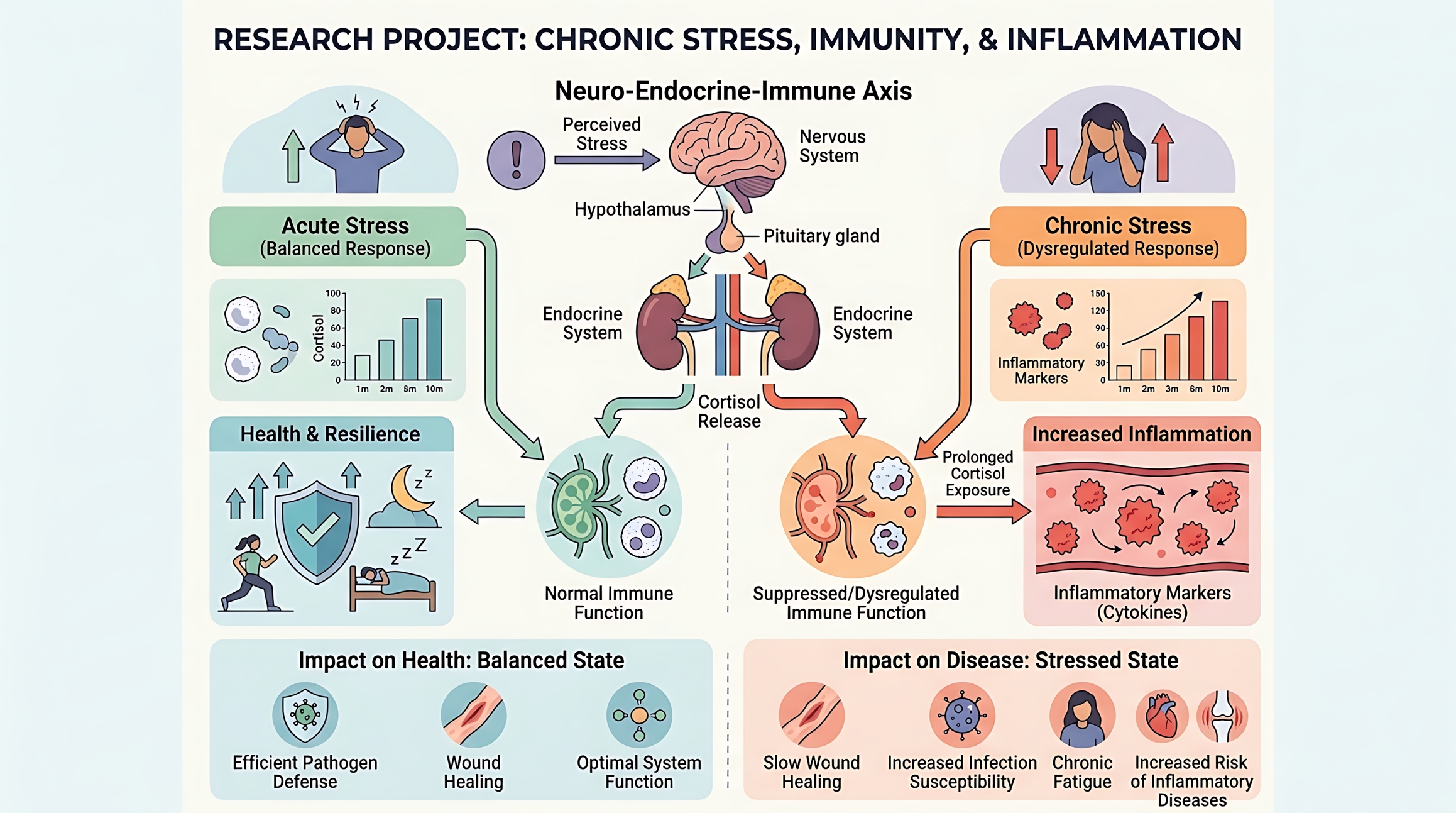
Your stress response is designed to protect you. When the brain perceives a threat, the sympathetic nervous system activates, increasing heart rate, releasing glucose for immediate energy and temporarily shifting resources away from digestion and recovery.
Useful when you’re escaping danger. Less useful when the threat is an overflowing inbox, ongoing financial pressure or another night of interrupted sleep.
When stress becomes persistent, its effects can extend throughout the body:
- Blood sugar and weight: Stress hormones influence glucose regulation, appetite, insulin sensitivity and fat distribution.
- Digestion and elimination: Changes in gut motility can contribute to bloating, constipation, diarrhoea and digestive discomfort.
- Sleep: Increased physiological arousal can make it difficult to fall asleep, stay asleep or wake feeling rested.
- Mood and concentration: Anxiety, irritability, brain fog and reduced emotional tolerance become more common.
- Pain and tension: Headaches, jaw clenching, tight shoulders and increased pain sensitivity can develop.
These effects often reinforce one another. Poor sleep increases stress sensitivity, digestive problems disturb sleep, and persistent pain makes everything harder.
The goal isn’t to eliminate stress. It’s to help the nervous system respond appropriately and recover afterwards.
How Acupuncture May Help Regulate the Nervous System
The autonomic nervous system helps regulate heart rate, digestion, breathing and other essential functions. The hypothalamic-pituitary-adrenal (HPA) axis coordinates hormonal stress responses, including cortisol.
Acupuncture research has explored effects on both systems, including changes in autonomic activity, heart-rate variability and stress-related signalling.
There’s also interesting research into the neurotransmitters involved in arousal and sleep:
- GABA is the brain’s main inhibitory neurotransmitter, helping regulate excessive neuronal activity.
- Glutamate is the main excitatory neurotransmitter, essential for normal brain function but requiring careful regulation.
- Melatonin helps regulate circadian rhythms and the timing of sleep.
Experimental studies suggest acupuncture may influence GABA and glutamate signalling, while some clinical studies have reported changes in melatonin and cortisol. These are promising areas of research, although the mechanisms and clinical significance are still being established.
What matters clinically is whether treatment helps you feel less physically tense, sleep more effectively and recover better from everyday demands.
Sleep Dysregulation: Tired but Unable to Rest

Sleep problems don’t always fit neatly into a diagnosis of insomnia.
You might struggle to fall asleep, wake repeatedly, become alert at 3 am, or sleep through the night but wake feeling exhausted.
Pain, hormonal changes, anxiety, medications and breathing disorders can all contribute.
Sleep is one of the areas where we frequently see encouraging responses to acupuncture in clinical practice. Research also suggests acupuncture may improve subjective sleep quality, although study quality and results vary.
Unlike sedative medications, acupuncture doesn’t rely on pharmacologically inducing sleep. The aim is to support the physiological processes involved in arousal, relaxation and sleep regulation.
We also consider whether further investigation is needed, particularly when symptoms suggest sleep apnoea or another underlying medical condition.
Anxiety, Overwhelm & Burnout
Anxiety isn’t always experienced as worry. It may show up as chest tightness, digestive discomfort, racing thoughts, muscle tension, restlessness or an inability to relax.
Burnout can develop after prolonged workplace stress, leaving people exhausted, detached and struggling with demands they previously managed comfortably.
Acupuncture can offer a non-drug approach to managing some of these symptoms, either independently or alongside psychological therapy and prescribed medication.
We recognise the important role of medications, including SSRIs, in treating anxiety and depression. Our aim isn’t to replace appropriate medical care, but to provide another option or an additional layer of support.
Our Approach at West Street Wellbeing

We look at the whole picture: your sleep, stress levels, digestion, mood, physical symptoms, medical history and medications.
From a Chinese medicine perspective, we assess patterns of imbalance and select acupuncture points according to your individual presentation rather than applying the same treatment to everyone.
Treatment may also incorporate craniosacral therapy, Chinese herbal medicine or nutritional support where appropriate.
Sometimes life is stressful because there really is too much going on. Acupuncture won’t clear your inbox or remove your responsibilities.
But better sleep, less physical tension and a nervous system that’s no longer constantly on high alert can make a real difference to how you feel, think and cope. You can feel calmer, clearer, more grounded and much more like yourself again.
Book an Appointment
Contact Us
Research & References
- Acupuncture for Anxiety: A Systematic Review and Meta-Analysis of Randomized Controlled Trials. (2026). View research
- Acupuncture for Chronic Insomnia Disorder: A Systematic Review and Meta-Analysis. (2025). View research
- Sleep and Endocrine Effects of Acupuncture for Insomnia. (2026). View research
- Clinical Efficacy and Safety of Acupuncture in Modulating Autonomic Nervous Function. (2025). View research