Perimenopause & Menopause Acupuncture
Fifty is the new forty. We’re living longer, working longer and reaching midlife with more experience, confidence and opportunities than ever before.
But just when you feel you should be hitting your stride, your body may start changing the rules.
Sleep becomes unreliable. Your concentration isn’t what it used to be. Anxiety or irritability appears unexpectedly. Your waistline changes despite eating and exercising much as you always have. And the things you once managed without thinking suddenly require considerably more effort.
At West Street Wellbeing, senior Chinese medicine practitioners Siegrid Delaney and Kate Levett provide experienced, individualised support for women during perimenopause and menopause.
We combine acupuncture, Chinese medicine, nutritional assessment, functional pathology interpretation and contemporary medical knowledge to understand what’s changing and identify practical ways to help.
Our aim isn’t to turn back the clock. It’s to help you feel well, capable and comfortable in the next stage of life.
Understanding Perimenopause & Menopause

Perimenopause is the transition leading up to menopause, when ovarian hormone production becomes less predictable. Oestrogen and progesterone fluctuate, menstrual cycles may change, and symptoms can begin years before periods finally stop.
Menopause is reached after 12 consecutive months without a menstrual period, provided there is no other explanation. The years that follow are known as postmenopause. Menopause following surgery or certain medical treatments may occur differently.
The experience varies enormously. Some women move through this transition with relatively few symptoms. Others experience changes that affect their work, relationships, sleep and confidence.
And it’s not always easy to distinguish hormonal changes from the effects of prolonged stress, thyroid dysfunction, iron deficiency, poor sleep or other health concerns.
That’s why we look at the whole picture rather than assuming everything that happens after forty must be menopause.
More Than Hot Flushes

Hot flushes and night sweats are well recognised, but they’re only part of the story.
Women commonly seek support for:
- Hot flushes and night sweats
- Difficulty falling asleep or waking during the night
- Brain fog, forgetfulness and reduced concentration
- Anxiety, irritability and mood fluctuations
- Fatigue and reduced resilience to stress
- Changes in body composition and abdominal weight gain
- Joint aches, stiffness and muscular discomfort
- Headaches and migraines
- Changes in menstrual bleeding and cycle regularity
- Vaginal dryness, urinary symptoms and discomfort
These symptoms can have several contributing causes, and some warrant specific medical treatment. Our role is to help identify what’s relevant to you, offer appropriate symptom support and work alongside your GP or specialist when further assessment is needed.
Clinical research has investigated acupuncture for menopausal symptoms, including hot flushes, sleep disturbance and quality of life. Some trials report improvements, although findings vary and acupuncture is not equivalent to hormone therapy. [1]
Sleep, Brain Fog & the Changing Brain
When Sleep Stops Cooperating

Disrupted sleep can make almost everything harder. Concentration suffers, mood becomes less predictable, pain feels more intrusive and your capacity to manage daily demands can shrink considerably.
Many people receiving acupuncture report falling asleep more easily, waking less frequently, sleeping more deeply and feeling more refreshed in the morning. Clinical studies have also reported improvements in sleep quality and some objective sleep measures, although the strength of evidence varies. [2]
In Chinese medicine, there’s a saying: “Different diseases, same treatment; same disease, different treatment.”
It reflects a fundamental principle of Chinese medicine: two people with insomnia may have entirely different underlying patterns, while seemingly unrelated symptoms may share a common pattern.
We assess sleep dysfunction holistically, considering not only when and how your sleep is disrupted, but also hormonal changes, stress response, digestion, energy and other symptoms.
Using this information, we select specific acupuncture points and combinations intended to influence the relevant patterns of dysfunction, with the aim of improving sleep quality and supporting more settled nervous system activity.
Brain Fog, ADHD & Mental Clarity

For women accustomed to being organised, capable and on top of things, menopausal brain fog can be debilitating. Losing words mid-sentence, forgetting appointments, struggling to prioritise or finding simple decisions exhausting can undermine confidence and make everyday responsibilities considerably harder.
Oestrogen does considerably more than regulate the menstrual cycle. It influences neurotransmitter systems including dopamine, serotonin and noradrenaline, which are involved in attention, memory, motivation and mood. [3]
During perimenopause, fluctuating oestrogen levels may contribute to changes in cognitive function. Poor sleep, stress and the demands of daily life can compound these effects.
For women with ADHD, this transition may be especially challenging. Changes in oestrogen signalling may affect neurotransmitter systems already involved in ADHD, potentially intensifying difficulties with attention, executive function and emotional regulation. Research into this relationship is developing. [4]
Our approach considers hormonal changes alongside sleep, stress, nutritional status and nervous system function. We look for contributing factors that can be addressed rather than assuming brain fog is an inevitable part of ageing.
Acupuncture, Stress Physiology & Neuroplasticity
The nervous system and endocrine system are closely connected.
The hypothalamic-pituitary-adrenal (HPA) axis coordinates the body’s hormonal response to stress, while the autonomic nervous system regulates functions including heart rate, digestion and physiological arousal.
Research suggests acupuncture may influence these systems. Studies have investigated changes in cortisol, heart-rate variability and other markers of stress regulation, with some encouraging findings but important methodological limitations. [2] [5]
Researchers are also examining acupuncture’s effects on serotonin signalling and brain-derived neurotrophic factor (BDNF), a protein involved in neuronal adaptation and plasticity. Much of this research remains experimental, and changes in blood biomarkers do not necessarily demonstrate equivalent changes in brain function.
These findings offer possible explanations for how acupuncture interacts with pathways involved in stress, mood and nervous system function. They do not establish that acupuncture restores menopausal cognition or treats ADHD.
In clinical practice, our focus is on improving sleep, reducing the burden of stress-related symptoms and addressing factors that may be affecting your ability to function well.
Weight Changes & Abdominal Fat
One of the more frustrating changes in midlife is the tendency for fat distribution to shift towards the abdomen, sometimes without a dramatic change on the scales.
Ageing, changing oestrogen levels, muscle mass, sleep, physical activity and metabolic health can all play a role.
Rather than promising to switch on fat burning or balance hormones with a supplement, we look at the factors that can realistically be influenced: nutrition, resistance exercise, sleep, stress, glucose regulation and relevant medical or metabolic concerns.
The habits that served you well at thirty may need adjusting at fifty. That doesn’t necessarily mean doing more. Sometimes it means doing things differently.
Working Alongside HRT — And Exploring Other Options
Menopausal hormone therapy (MHT), also commonly called HRT, is an effective treatment for many menopause symptoms, particularly hot flushes and night sweats. It also has an important role in preventing bone loss for appropriate patients.
We support women who choose to use MHT and can provide complementary care for concerns such as muscular tension, sleep difficulties, stress and other symptoms that may persist alongside medical treatment.
We also work with women who prefer not to use hormone therapy, haven’t found it suitable, or have medical reasons why it may not be recommended.
For these women, acupuncture and other supportive approaches may offer additional ways to manage certain symptoms. The evidence varies, and these treatments are not equivalent substitutes for MHT or its established benefits. We can also encourage discussion of evidence-based non-hormonal medical options with your GP.
If you have a history of hormone-sensitive cancer or are taking endocrine therapy, we take particular care with herbal medicines and supplements, and coordinate recommendations with your treating medical team where appropriate.
Our position is simple: women deserve informed choices and care that respects their medical history, preferences and circumstances.
The Chinese Medicine Perspective
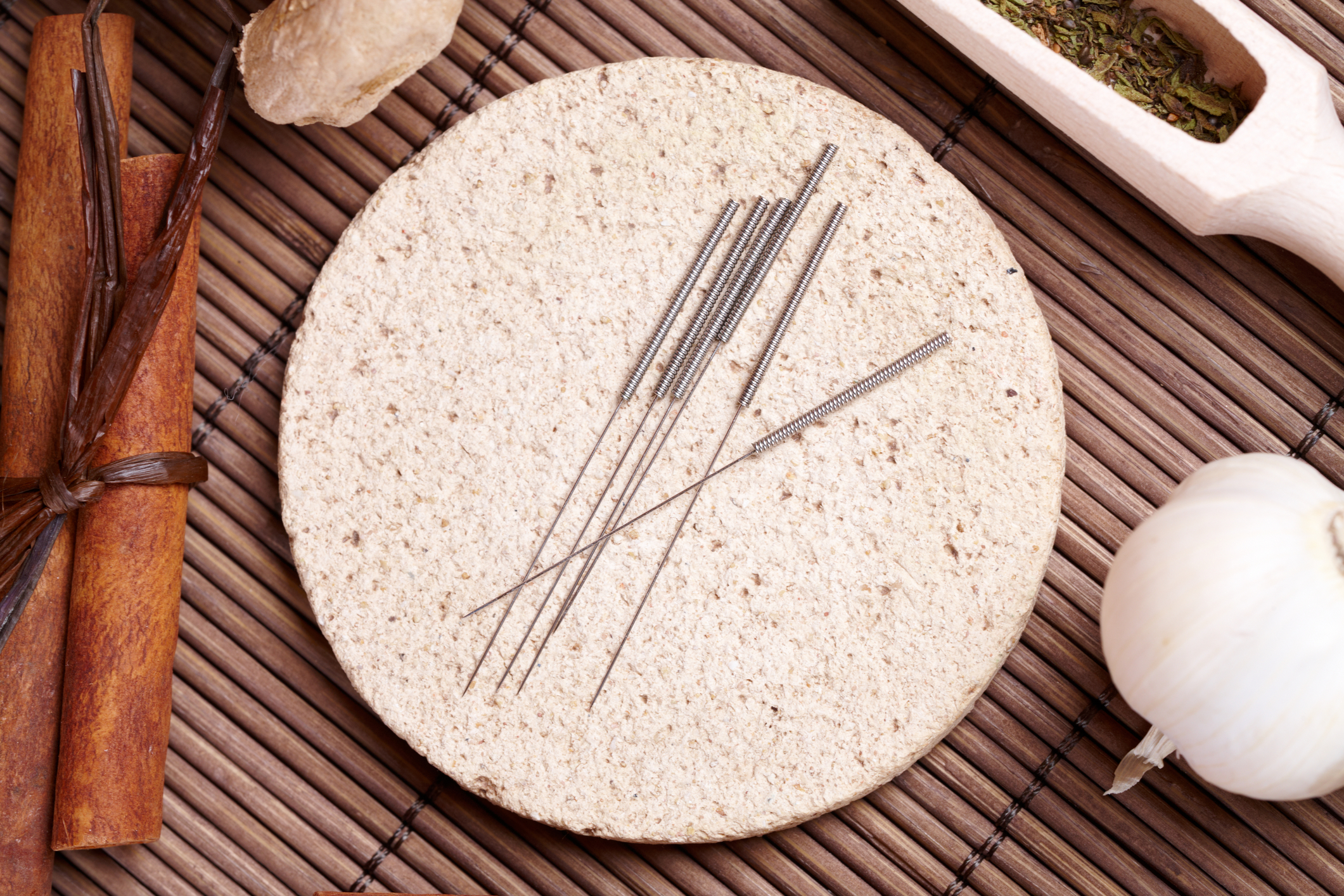
Chinese medicine views perimenopause as a period of significant physiological change. Treatment focuses on understanding how well the body is adapting and where additional support may be useful.
Two women may experience similar hot flushes, disrupted sleep or anxiety, yet present with quite different patterns of symptoms.
In Chinese medicine, one common pattern is Qi stagnation, often associated with tension, irritability and a sense that the system isn’t responding smoothly to increased demands.
Another is Yin deficiency, which may be used to describe a pattern involving heat sensations, dryness, night sweats, restlessness and disturbed sleep.
These are traditional diagnostic concepts, not direct equivalents of hormone levels or biomedical diagnoses. They help guide an individualised treatment approach based on the overall pattern rather than a symptom checklist.
Sometimes the priority is calming and settling. Sometimes it’s supporting recovery, addressing pain, improving sleep or reviewing nutritional and lifestyle factors.
The goal is not to fight menopause. It’s to help you move through the transition with greater comfort, stability and confidence.
Finding a New Balance

By midlife, many women are managing the proverbial ten thousand things. Careers, ageing parents, children, relationships, finances, households and an impressive amount of invisible administration.
Being capable doesn’t mean having unlimited capacity. And learning to make room for your own health doesn’t mean becoming less ambitious, productive or involved in the things that matter to you.
It means recognising that your needs have changed, and making practical adjustments that allow you to keep doing the things you value.
How We Approach Treatment
Your first appointment involves a thorough discussion of your symptoms, medical history, medications, sleep, stress, nutrition, physical activity and current priorities.
We review existing blood tests through a functional medicine lens, considering relevant findings in the context of your symptoms. Additional investigations, including selected functional laboratory tests, may be discussed when clinically useful. Hormone levels can fluctuate substantially during perimenopause, so specialised testing isn’t always necessary or informative.
Depending on your circumstances, treatment may include:
- Acupuncture for appropriate symptom management, relaxation, pain and sleep-related concerns.
- Chinese herbal medicine where suitable, with consideration of your medications, medical history and the evidence for safety and effectiveness.
- Targeted nutritional support based on dietary assessment, relevant pathology and individual needs.
- Practical lifestyle adjustments involving sleep, exercise, strength training, nutrition and recovery.
- Collaboration with your GP or specialist for MHT, non-hormonal medical treatments, investigations and longer-term health considerations.
We also consider longer-term health, including bone strength, cardiovascular and metabolic risk, rather than focusing exclusively on immediate symptoms.
There’s no standard menopause treatment that suits everyone. We review your progress, adjust our approach and keep the focus on changes that are meaningful and realistic for you.
Experienced Support for Your Next Chapter
Midlife can be a wonderful stage of life. More experience, greater confidence and perhaps a clearer idea of what matters and what doesn’t.
It can also be physically and emotionally demanding. You don’t have to dismiss your symptoms, put everything down to ageing or work out every treatment option on your own.
Siegrid Delaney and Kate Levett bring extensive clinical experience in perimenopause and menopause acupuncture, combining Chinese medicine with a thoughtful, practical approach to midlife women’s health. We take the time to understand your circumstances, explain our findings and help you identify appropriate treatment options.
Whether you’re already using MHT but still don’t feel great, considering non-hormonal options or starting from scratch to do some self care and hopefully sort out some symtoms, menopause acupuncture at West Street Wellbeing is a great place to start.
Have questions about treatment or whether our approach is suitable for you? Please get in touch, or arrange a complimentary 15-minute phone consultation.
Research & References
Selected clinical studies and reviews relating to menopausal symptoms, sleep, hormonal changes, ADHD and acupuncture’s possible physiological mechanisms. Research findings vary in quality and do not guarantee individual treatment outcomes.
- Lund KS et al. (2019). Efficacy of a standardised acupuncture approach for women with bothersome menopausal symptoms: the ACOM study. BMJ Open. Read study.
- Hu et al. (2026). Sleep and endocrine effects of acupuncture for insomnia: a systematic review and meta-analysis of randomised controlled trials. Read review.
- Osianlis E et al. (2025). ADHD and Sex Hormones in Females: A Systematic Review. Journal of Attention Disorders. Read review.
- Kooij JJS et al. (2025). Research advances and future directions in female ADHD: the lifelong interplay of hormonal fluctuations with mood, cognition, and disease. Frontiers in Global Women’s Health. Read review.
- Clinical efficacy and safety of acupuncture in modulating autonomic nervous function: a meta-analysis of randomised controlled trials (2025). Read review.
Evidence concerning acupuncture’s effects on serotonin signalling and BDNF remains largely mechanistic or preliminary. These topics are discussed as emerging research rather than established clinical benefits.