ADHD & Neurodiversity
Acupuncture and Integrative Support for Children, Teenagers and Adults
ADHD affects far more than attention and concentration.
Difficulties with organisation, motivation and task initiation may be familiar features, but ADHD can also influence sleep, emotional regulation, sensory processing, appetite, digestion, energy and the way we respond to stress.
For some people, these less obvious difficulties have the greatest impact on everyday life.
At West Street Wellbeing in Crows Nest, Sydney, senior practitioner Siegrid Delaney provides individualised acupuncture and complementary care for children, teenagers and adults with ADHD, including people who are autistic or have other neurodivergent traits.
Treatment focuses on each person’s individual health concerns, with particular attention to sleep, physical symptoms, stress and overall wellbeing.

| Our Approach | Children & Teens | Women & ADHD |
| Chinese Medicine | Common Concerns | Working Together |
A Neuro-Affirming Approach to ADHD
Siegrid brings both professional experience and personal understanding to her work with ADHD and neurodivergent patients.
Her approach recognises that different brains have different strengths, challenges and support needs.
Creativity, curiosity, humour, unconventional thinking and the ability to notice details others miss can sit alongside significant difficulties with planning, transitions, sensory overload or emotional regulation.
Recognising those strengths doesn’t mean pretending the difficult parts aren’t difficult.
The aim isn’t to change someone’s personality or make them behave more like everyone else. It’s to understand their individual needs, address health concerns that may be making everyday life harder, and support their capacity to manage the demands placed on them.
Treatment may incorporate acupuncture, craniosacral therapy, nutritional assessment and carefully selected supplements where appropriate.
We respect individual and family decisions about ADHD medication and work alongside existing medical, psychological and allied health care.
ADHD in Children & Teenagers
Children and teenagers with ADHD can spend an enormous amount of energy managing the demands of school, friendships, learning, sensory input and social expectations.
By the time they get home, there may be very little capacity left.
That can look like irritability, emotional outbursts, restlessness, exhaustion, headaches, stomach aches, sensory overload or difficulty settling to sleep.
For children taking stimulant medication, reduced daytime appetite, irregular eating and the transition as medication wears off may introduce additional challenges.
Gentle Acupuncture for Children
Paediatric acupuncture is quite different from adult treatment.
For younger children, treatment may involve very light, surface-level techniques or non-needle approaches. Older children and teenagers may receive gentle acupuncture, depending on their comfort and preferences.
And if they don’t want needles? We don’t force it.
We can begin with non-needle techniques and introduce other options only if and when the child feels comfortable.
Treatment may focus on sleep difficulties, headaches, digestive symptoms, physical tension and the effects of prolonged stress or sensory overload.
Nutrition is another consideration, particularly when appetite is affected by medication or when selective eating makes adequate nutritional intake difficult.
Women, Hormones & ADHD

For many women, recognition of ADHD comes surprisingly late.
Some have spent years being described as anxious, overwhelmed, disorganised, overly sensitive or depressed without anyone recognising the underlying ADHD.
Others have developed remarkably effective ways of compensating — until increasing responsibilities, motherhood, chronic stress or hormonal changes make those strategies much harder to maintain.
Hormonal fluctuations can add another layer.
Some women notice significant changes in their ADHD symptoms across the menstrual cycle, particularly in the premenstrual phase. Others first seek assessment during perimenopause, when difficulties with concentration, memory, sleep, motivation and emotional regulation become more pronounced.
At West Street Wellbeing, treatment considers the interaction between hormonal health, sleep, stress, nutrition and physical symptoms.
Acupuncture may be used to address associated concerns such as poor sleep, headaches, muscular tension and menopausal symptoms, alongside nutritional assessment and other appropriate care.
Chinese Medicine & ADHD
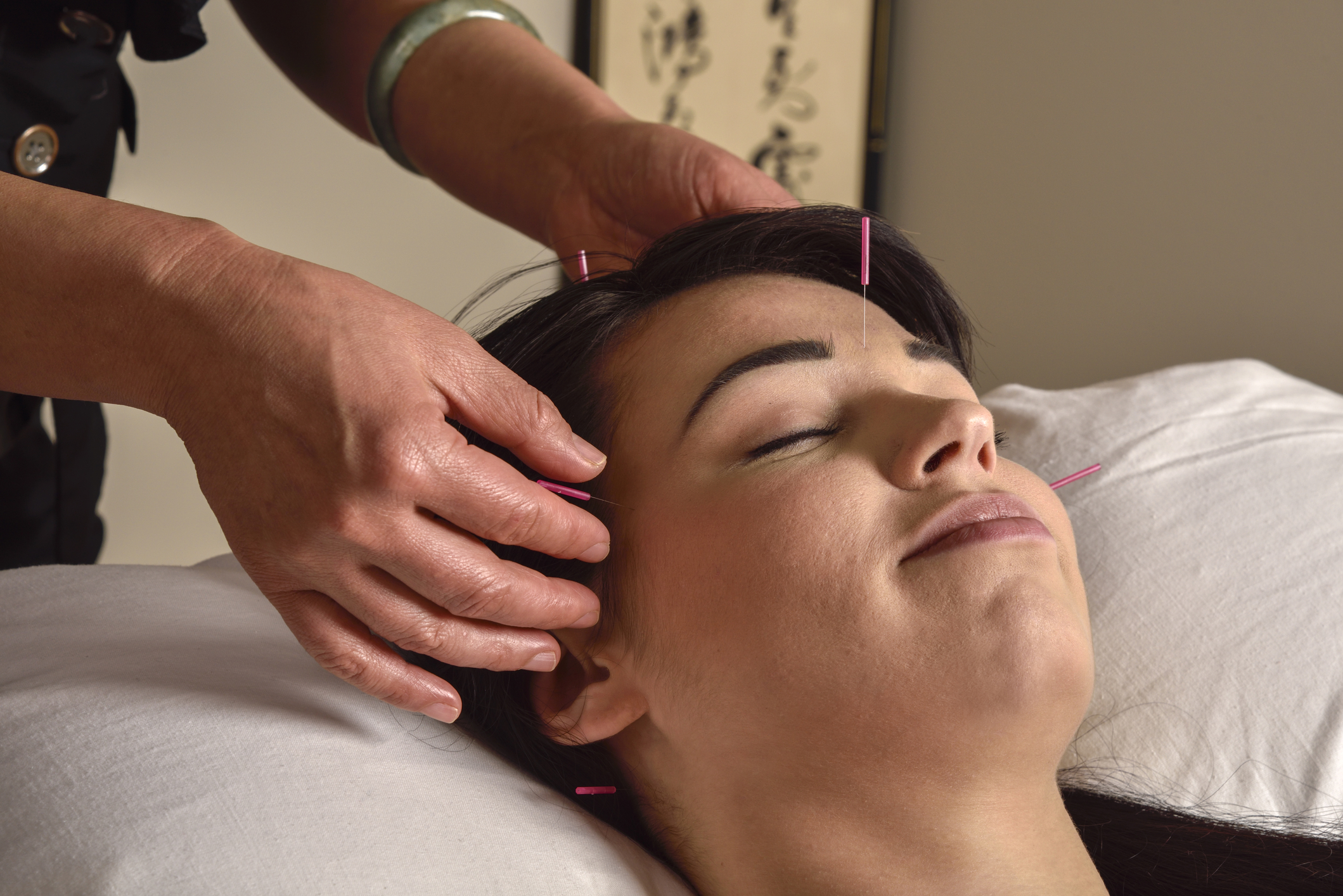
Chinese medicine doesn’t approach everyone with ADHD in the same way.
One person may be restless, impulsive and unable to switch off. Another may be exhausted, withdrawn and struggling to initiate even familiar tasks.
Others experience anxiety, sensory overwhelm, disrupted sleep, digestive symptoms, headaches or persistent muscular tension.
Assessment considers the whole clinical picture, including sleep, energy, digestion, emotional state, physical symptoms and hormonal influences.
Treatment is then tailored to the individual rather than the diagnosis alone.
For many patients, a practical focus is supporting the transition from activity into rest, addressing physical tension and improving opportunities for sleep and recovery.
What Does the Research Say?
Research into acupuncture specifically for ADHD is still developing. Current evidence is insufficient to establish acupuncture as an effective treatment for the core symptoms of ADHD.
Acupuncture may nevertheless be considered as complementary care for certain associated concerns, such as pain or sleep difficulties, where clinically appropriate.
It is not a replacement for ADHD assessment, medication, psychological support, educational adjustments or other established treatments.
Common Concerns We Work With
Sleep & Recovery
Difficulty falling asleep, racing thoughts at bedtime, restless sleep, fatigue and difficulty waking.
Sensory & Physical Symptoms
Sensory overload, persistent physical tension, jaw clenching, headaches and difficulty winding down after demanding days.
Stress & Emotional Wellbeing
Anxiety, irritability, overwhelm, emotional reactivity and difficulty recovering after stressful experiences.
Appetite, Digestion & Nutrition
Reduced appetite, irregular meals, digestive discomfort, selective eating and nutritional adequacy, including concerns associated with stimulant medication.
Hormonal Changes
Puberty, menstrual cycle changes, premenstrual symptom fluctuations, perimenopause and menopause.
Working Alongside Your Existing Care
ADHD support often involves several professionals, and good communication matters.
We welcome patients who are already working with GPs, paediatricians, psychiatrists, psychologists, occupational therapists and other allied health practitioners.
Our role is complementary. We focus on the areas where acupuncture and integrative care may be useful, while respecting the purpose of existing treatment plans.
ADHD Support at West Street Wellbeing
If you or your child are experiencing difficulties with sleep, stress, physical tension, headaches, digestive symptoms or other concerns alongside ADHD, we can discuss whether acupuncture or complementary care may be appropriate.
Appointments are individualised, with treatment adapted to age, sensory preferences, health history and personal comfort.