Cancer Support
Acupuncture During Cancer Treatment & Recovery
Cancer treatment can be big and overwhelming. Whether you’re undergoing surgery, chemotherapy, radiotherapy, immunotherapy or hormonal therapy, managing the side effects can become a significant part of everyday life.
At West Street Wellbeing, senior practitioner Siegrid Delaney provides acupuncture and complementary therapies to help manage treatment-related symptoms, support recovery and improve quality of life.
With over 20 years of clinical experience, Siegrid offers individualised supportive care during treatment and beyond, working alongside your oncology team.
| Symptom Support | Safety | Recovery Phase |
| Other Therapies | Our Approach | Research |
How Can Acupuncture Help During Cancer Treatment?
Acupuncture is increasingly used alongside conventional cancer treatment to help manage side effects and improve quality of life.
Research has investigated its benefits for a range of cancer-related symptoms, including:
- Nausea and vomiting: Particularly during chemotherapy, where acupuncture and acupressure may provide additional relief alongside anti-nausea medication.
- Pain and joint stiffness: Including musculoskeletal pain and joint pain associated with hormonal treatments such as aromatase inhibitors.
- Peripheral neuropathy: Tingling, numbness, burning and altered sensation in the hands and feet following certain chemotherapy drugs.
- Cancer-related fatigue: Persistent physical and mental exhaustion that isn’t necessarily relieved by rest.
- Sleep disturbances: Difficulty falling asleep, frequent waking or poor-quality sleep, often compounded by treatment side effects.
- Hot flushes and hormonal symptoms: Particularly following medically induced menopause or endocrine therapy.
- Dry mouth: Particularly following radiotherapy for head and neck cancers, where reduced saliva production can affect eating, speaking and swallowing.
- Stress and anxiety: Helping manage physical tension, nervous system arousal and some of the symptoms associated with prolonged stress.
The evidence for acupuncture is stronger for some symptoms than others. Treatment is tailored to each person’s circumstances, including their cancer treatment, medications and overall health.
Is Acupuncture Safe During Cancer Treatment?

Acupuncture is generally safe during cancer treatment when performed by an experienced, registered practitioner who understands the necessary precautions.
At West Street Wellbeing, Siegrid follows Australian infection control standards, including the use of sterile, single-use acupuncture needles, alcohol cleansing of the skin before needling and appropriate hand hygiene. All needles are disposed of immediately after use in an approved sharps container.
Patients with compromised immune systems can often receive acupuncture safely, with treatment adapted to their current health and medical circumstances.
Particular care is taken when patients have low white blood cell or platelet counts, increased infection risk, lymphoedema, recent surgery or areas affected by radiotherapy.
Where necessary, recent blood results are reviewed and treatment is coordinated with the oncology team. Acupuncture may be postponed when blood counts are particularly low or other medical precautions apply.
Siegrid also works within the scope of medical referrals. Chinese herbal medicines and nutritional supplements are not introduced during active cancer treatment without appropriate consultation with the treating oncology team, as some substances can interact with cancer medications.
Patient safety, careful assessment and communication with your medical team are central to treatment.
Supporting Recovery After Cancer Treatment
Finishing cancer treatment doesn’t always mean the side effects have finished too.
Fatigue, neuropathy, joint pain, hormonal changes and disrupted sleep may continue for months or years. Some people experience changes in concentration, physical stamina or their ability to return to exercise and everyday activities.
Acupuncture may be useful during this period, particularly for persistent pain, joint stiffness, sleep difficulties and other treatment-related symptoms.
Siegrid considers your treatment history, current symptoms and overall health when developing a treatment plan. Treatment is adjusted as your recovery progresses, with attention to the symptoms having the greatest impact on your daily life.
Manual Lymphatic Drainage & Craniosacral Therapy
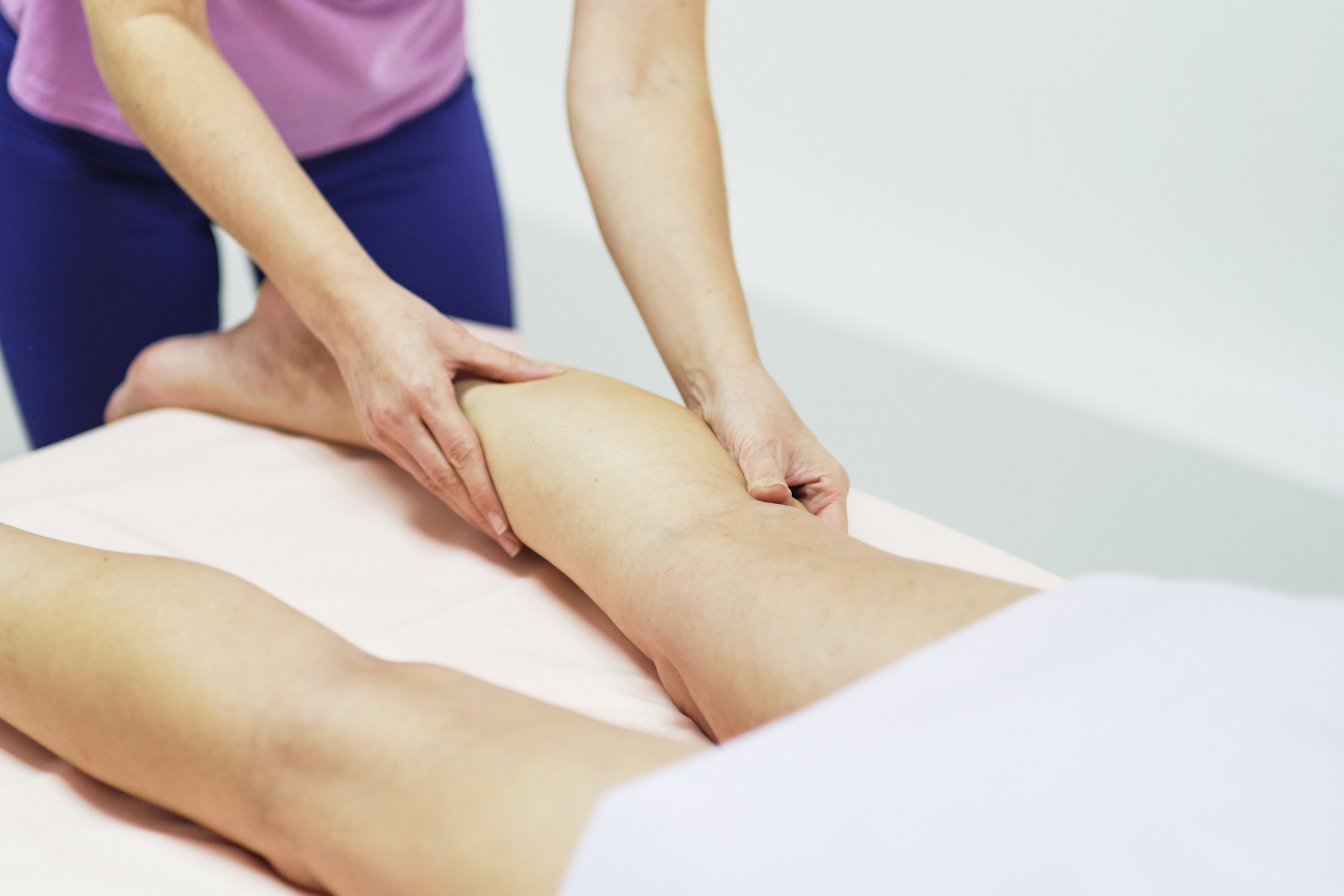
Alongside acupuncture, Siegrid offers manual lymphatic drainage and craniosacral therapy as separate treatment options.
Manual lymphatic drainage (MLD) uses gentle, specialised techniques to encourage lymphatic fluid movement. It may be helpful for managing swelling and supporting lymphatic function following cancer surgery or treatment.
For patients with diagnosed lymphoedema, MLD may form part of a broader management plan. Siegrid does not provide compression bandaging or garment fitting, and works alongside specialist lymphoedema therapists when these treatments are required.
Craniosacral therapy is a gentle hands-on treatment that some people find helpful for relaxation, physical comfort and settling the nervous system during recovery. Research into its specific benefits for cancer-related symptoms remains limited.
Both therapies are adapted to the patient’s medical history, treatment stage and any relevant precautions.
Working Alongside Your Oncology Team
Cancer treatment can involve complex medication combinations, changing blood counts and additional precautions that need to be considered when providing complementary care.
Siegrid works collaboratively with oncologists, surgeons, GPs and other healthcare practitioners, respecting their treatment recommendations and the purpose of any referral.
If a patient has been referred specifically for acupuncture, treatment remains within that scope.
Where appropriate, medical reports, pathology results and treatment schedules are reviewed to ensure acupuncture is suitable and timed appropriately.
The aim is to provide supportive care that works comfortably alongside conventional cancer treatment.
Our Approach at West Street Wellbeing

Every person’s experience of cancer treatment is different.
Some patients seek acupuncture during chemotherapy or radiotherapy to help manage immediate side effects. Others come months or years later, looking for support with persistent symptoms.
Treatment begins with a thorough review of your medical history, current medications, cancer treatment and the symptoms you’d most like help with.
Siegrid uses a combination of Japanese acupuncture, the Balance Method and other acupuncture techniques, selecting points and treatment methods according to your presentation and medical circumstances.
Treatment is gentle and adapted to your energy levels, comfort and response.
Acupuncture during treatment and recovery focuses on easing current symptoms, supporting recovery and improving quality of life.
Research & References
- Society for Integrative Oncology and American Society of Clinical Oncology (2022). Integrative Medicine for Pain Management in Oncology: SIO–ASCO Guideline. View guideline
- Acupuncture in Cancer Care: Recommendations for Safe Practice (2024). Supportive Care in Cancer. View research
- Hershman DL et al. (2018). Effect of Acupuncture vs Sham Acupuncture or Waitlist Control on Joint Pain Related to Aromatase Inhibitors Among Women With Early-Stage Breast Cancer. JAMA. View research
- National Cancer Institute. Acupuncture (PDQ). View information
- Cancer Council NSW. Acupuncture. View information