
Pain & Injury Relief
Acupuncture for Pain, Injury & Recovery
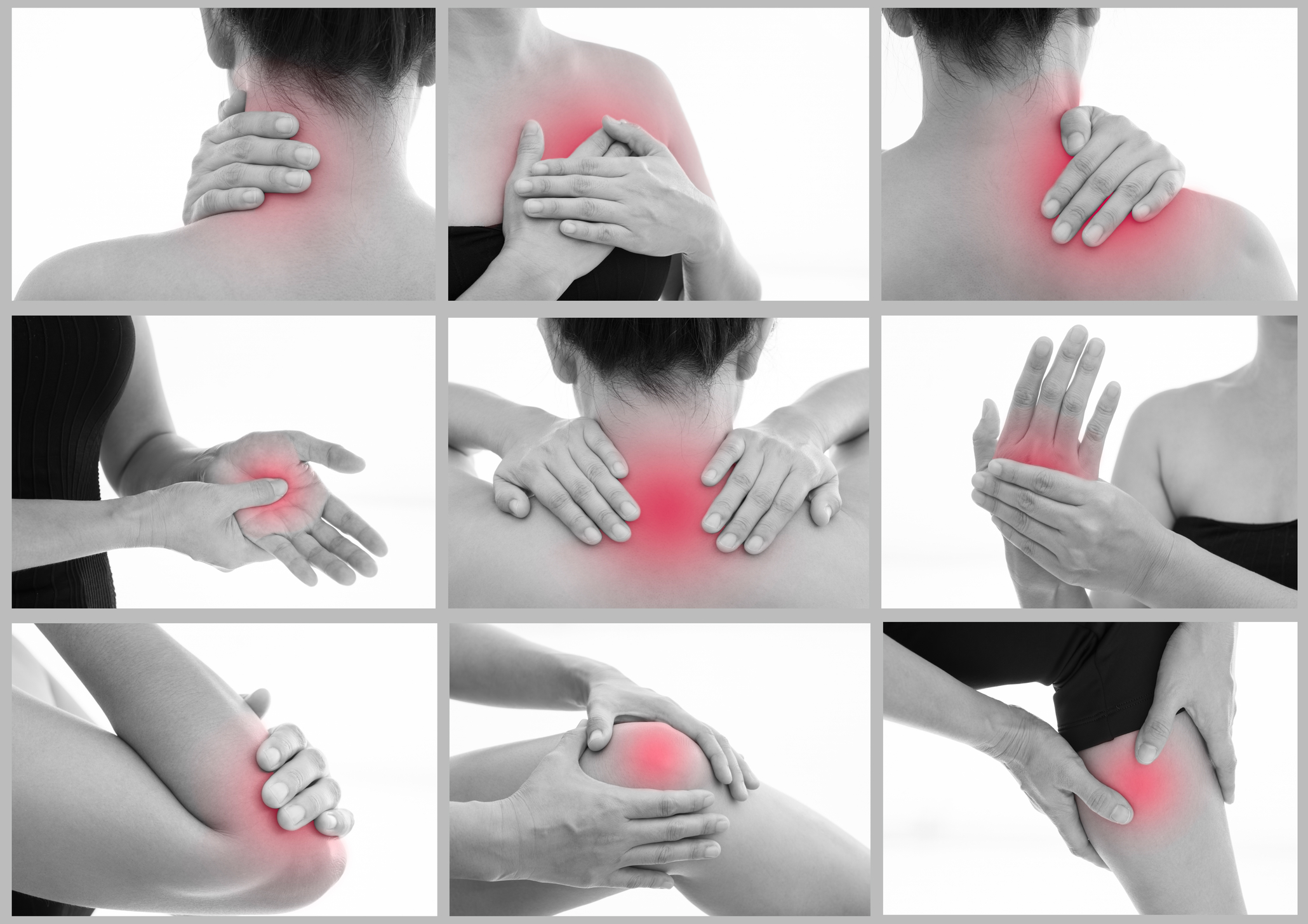
A stiff neck that won’t settle. Back pain that keeps returning. A shoulder that suddenly refuses to cooperate. Or an old injury that still makes itself known years later.
At West Street Wellbeing, we use acupuncture and complementary manual therapies to help reduce pain, improve movement and support recovery. From acupuncture for back pain and neck stiffness to sports injuries, headaches and persistent joint pain, treatment is tailored to your individual presentation.
We treat both acute and persistent pain, using a combination of traditional acupuncture techniques and contemporary approaches to pain management.
Our focus is on identifying what’s contributing to your symptoms, addressing the relevant mechanisms and assessing how well you’re responding.
| How Acupuncture Works | Balance Method Acupuncture | Conditions we Commonly Treat |
| Persistent or chronic Pain | Our Approach | Research |
How Does Acupuncture Relieve Pain?
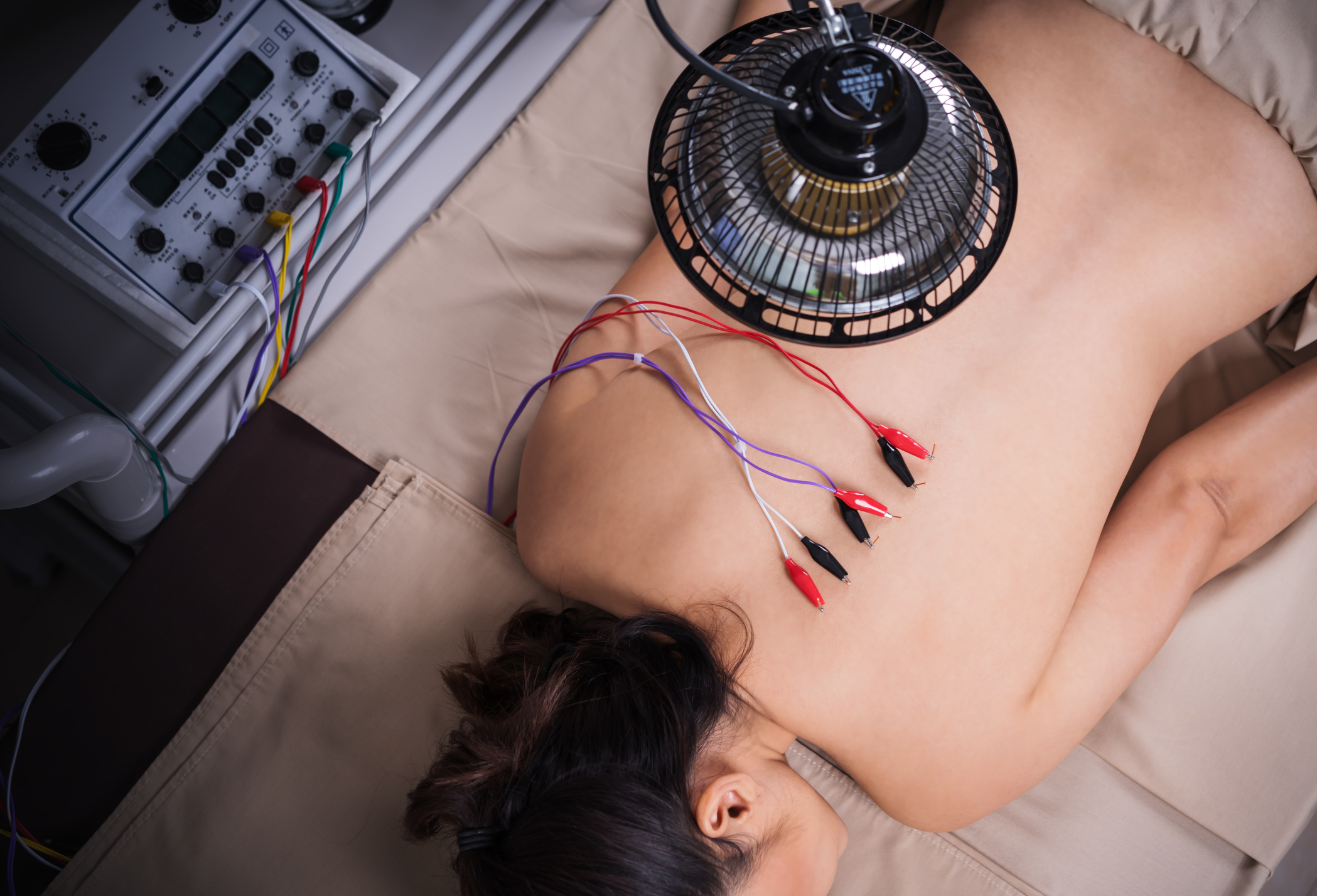
Yes acupuncture does work remarkably well to relax tight muscles, but that’s just the tip of the iceberg.
Research has identified several mechanisms through which acupuncture may influence pain:
- Endorphins and natural pain relief: Acupuncture can stimulate the release of endogenous opioids, the body’s own pain-modulating chemicals.
- Nervous system regulation: Acupuncture influences how pain signals are processed in the spinal cord and brain, potentially reducing pain sensitivity.
- Local circulation: Needling can stimulate changes in local blood flow and tissue signalling.
- Muscle tension: Acupuncture may help reduce protective muscle guarding and restore more comfortable movement.
- Inflammation: Acupuncture can influence inflammatory signalling, including cytokine activity and neuroimmune pathways. Research suggests these effects may contribute to pain relief, although the extent varies between conditions.
Clinical research supports acupuncture as an option for several chronic pain conditions, including certain types of back pain, osteoarthritis and recurrent headaches.
Why Treat Your Ankle When Your Shoulder Hurts?
Sometimes a point near your ankle can help relieve shoulder pain. Or a point on your wrist can be used to treat your lower back.
It might seem a little strange, but there’s a method behind it.
In acupuncture approaches such as the Balance Method, we use body imaging and mirroring — identifying relationships between different regions of the body and selecting points that correspond to the painful area.
There’s also an interesting connection to the concept of tensegrity, which describes how tension and compression interact throughout an interconnected structure. In the body, muscles, fascia, joints and other tissues work together rather than in isolation.
The practical advantage? We can often treat a painful shoulder, back or hip without putting needles directly into already irritated tissue.
Less pain. Better movement. A body working together rather than fighting itself.
Conditions We Commonly Treat
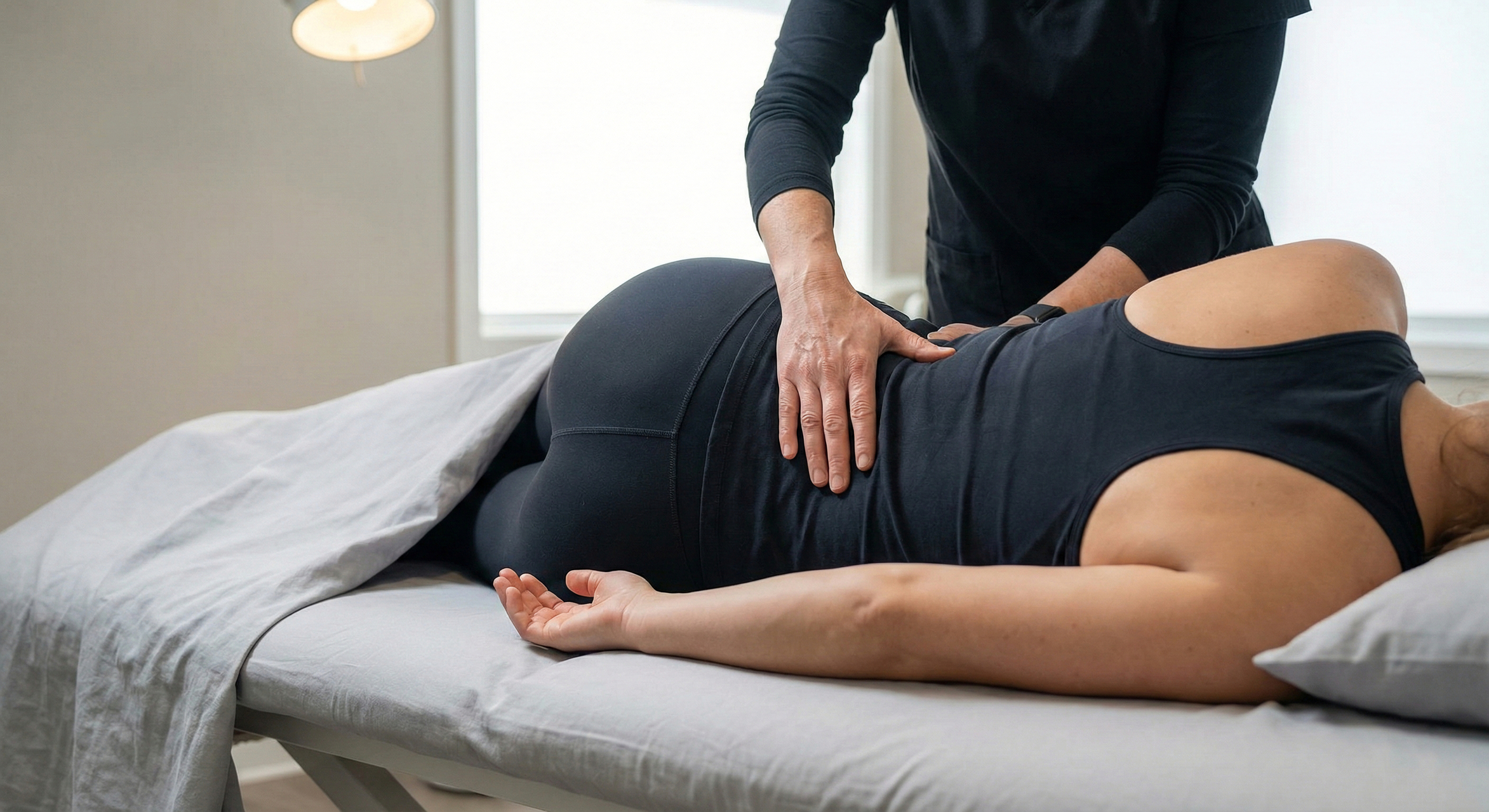
Acupuncture may be helpful for a range of musculoskeletal and pain conditions, including:
- Back and neck pain: Acupuncture for lower back pain, recurring muscular tension, neck stiffness and persistent spinal pain.
- Shoulder pain: Rotator cuff-related pain, restricted movement and frozen shoulder.
- Headaches and migraines: Tension-type headaches, recurrent migraines and neck-related headaches.
- Hip and knee pain: Osteoarthritis, muscular pain and joint discomfort.
- Sports and exercise injuries: Muscle strains, overuse injuries and rehabilitation support.
- Jaw pain and TMJ dysfunction: Clenching, jaw tension and associated facial or neck pain.
- Sciatica and nerve-related pain: Supportive pain management for symptoms involving irritated or sensitised nerves.
The strength of the research varies between conditions. Acupuncture has a more established evidence base for certain chronic pain conditions than for many acute injuries.
Why Pain Sometimes Persists After an Injury Has Healed
Pain is not always a direct measure of tissue damage.
Following an injury, the nervous system becomes more protective. This is a normal part of recovery.
Sometimes, however, pain signalling remains heightened even after the original tissues have healed. This can involve central sensitisation, where the nervous system becomes more responsive to sensory input.
People may experience pain with relatively minor movement or pressure, increased sensitivity across a wider area, or symptoms that fluctuate without an obvious new injury.
This doesn’t mean the pain is imaginary. It means the nervous system has become part of the problem.
Poor sleep, stress, previous injuries and ongoing inflammation can all contribute to pain sensitivity.
Acupuncture may help by influencing pain-processing pathways, while appropriate movement, rehabilitation and other treatments address the broader factors maintaining the problem.
Our Approach

We assess your symptoms, injury history, movement restrictions and any relevant medical findings or imaging.
Our acupuncture techniques include Japanese acupuncture, the Balance Method and scalp acupuncture. We select the approach according to your presentation, rather than using the same points for every person with a particular diagnosis.
We also use palpation and movement testing to assess changes during treatment. Sometimes a simple movement that was painful or restricted at the beginning of a session can provide useful feedback about how the body is responding to the needles.
Sometimes treatment focuses on reducing acute pain and muscle guarding. At other times, the priority is improving movement, addressing persistent pain sensitivity or supporting rehabilitation.
We also offer manual lymphatic drainage and craniosacral therapy as separate treatment options where appropriate.
Acupuncture can be used alongside physiotherapy, exercise rehabilitation and medical treatment. Where necessary, we’ll recommend further assessment or work with your existing healthcare providers.
Book an Appointment
Contact Us
Research & References
- Vickers AJ et al. (2018). Acupuncture for Chronic Pain: Update of an Individual Patient Data Meta-Analysis. Journal of Pain. View research
- NICE Guideline NG193 (2021). Chronic Pain (Primary and Secondary) in Over 16s: Assessment and Management of Chronic Primary Pain. View guideline
- Cochrane Review. Acupuncture for the Prevention of Episodic Migraine. View research
- Cochrane Review. Acupuncture for Tension-Type Headache. View research